How to Describe Pityriasis Rosea Rash
It is also called Christmas tree rash. The condition clears up without scarring and usually doesnt recur.

Pin On Health
This herald patch is followed 1-2 weeks later with a profusion of smaller scaling pink spots on the torso.

. Usually the rash does not appear on the face. The rash most often appears on the chest back and belly. What exactly pityriasis rosea is and why might one freak out if they started to get this rash.
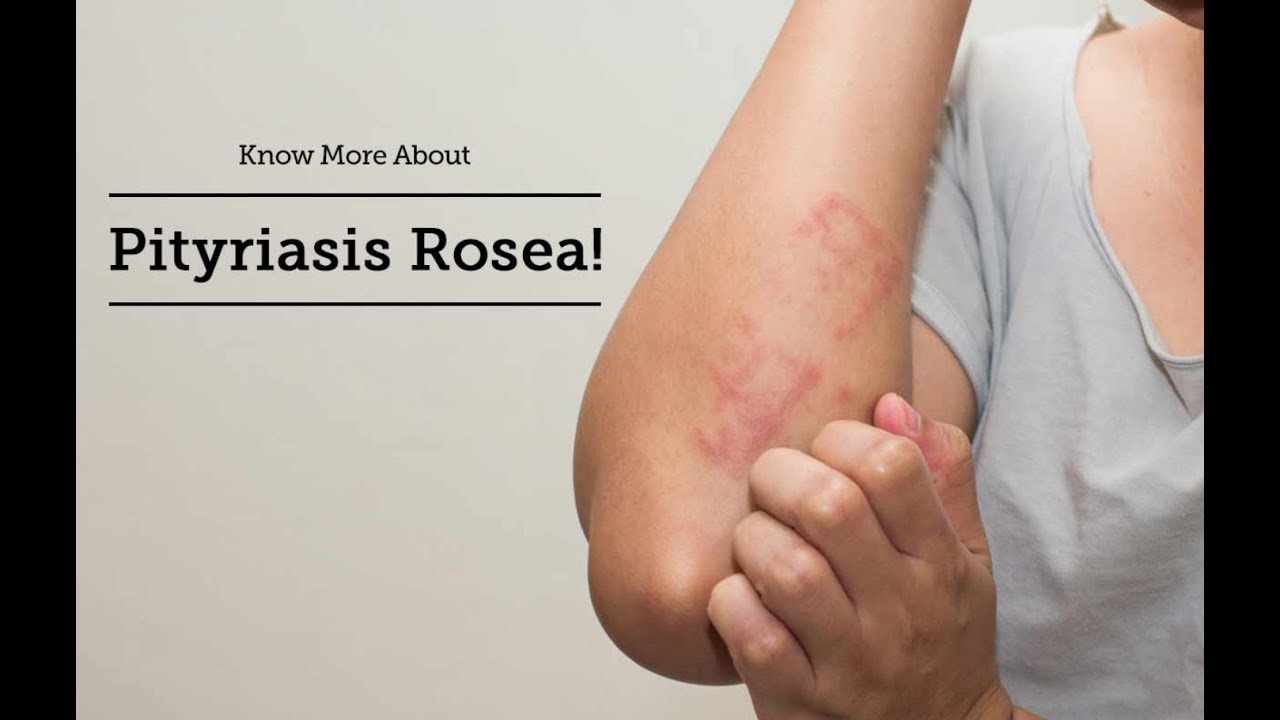
Pityriasis rosea is a relatively common skin condition that causes a temporary rash of raised red scaly patches on the body. Both the rash and bumps tend to be dusky violet to brown. The first symptom is often referred to as a herald patch or mother patch which is a single red scaly lesion.
Pityriasis rosea is a self-limiting rash which resolves in about 610 weeks. It may be slightly raised or rough in texture is typically oval in shape and measures from just under one inch to almost 4 inches in diameter. The way the rash looks may differ from person to person.
Yeah so pityriasis rosea is a Fortunately its a benign condition and I think what really freaks people out is the initial presentation of the skin rash is you get a thing called a herald patch and what it is its a large lesion. It can affect anyone but its more common in older children and young adults aged 10 to 35. This rash consists of pink oval-shaped spots that are 14 to 12 inch across.
The rash can be itchy during the first one or two weeks. These symptoms usually abate by the time the rash begins to show up. The diagnosis is based on clinical and physical examination findings.
Often it is worse in the groin and armpits. Pityriasis rosea a skin condition that first appears as a rash is easily misunderstoodDoctors and dermatologists say understanding the different staged of pityriasis rosea can better prepare. The herald patch is an erythematous lesion with an elevated border and depressed center.
If you or someone you know is suffering from pityriasis rosea a skin condition caused by a strain of herpes virus then you know how annoying and uncomfortable the condition can get. It starts with one large round or oval scaly patch. Truncal pityriasis rosea drug eruptions Description terminology is from Mosbys Guide to Physical Examination Bates Guide to Physical Exam and History Taking and Dermatology texts listed below Dermatology textbooks I am frequently asked which dermatology texts I recommend and use while there are many excellent.
Pityriasis rosea symptoms evolve over a short time. It appears as a rash that can last from several weeks to several months. It begins as a single large pink patch found on the trunk of the body and is called the Herald patch.
Pityriasis rosea causes a rash that will clear on its own so its usually nothing to worry about. Its possible that the rash could be something other than pityriasis rosea. Pityriasis rosea is a rash that basically appears on the torso upper arms neck or thighs.
Still its important to get diagnosed. This is called the herald patch. Image provided by Thomas Habif MD.
It starts out as an oval lesion that grows over a few days time. Pain in the joints. A loss of appetite.
It then causes many more small patches. Youre also more likely to develop the rash on your face. It is characterised by a large circular or oval herald patch usually found on the chest abdomen or back.
Pityriasis rosea is a common skin disease. This is a pityriasis rosea stage in which a large pink or salmon-colored patch shows up on the back chest or neck. If you have darkly pigmented skin pityriasis rosea tends to begin with one large patch followed by a rash of small bumps.
Pityriasis Rosea is a skin rash that you may develop on your torso stomach neck thighs or upper arms. The rash appears primarily on the chest abdomen and back. Apr 19 2017.
It most often develops in the spring and the fall and seems to favor adolescents and young adults. Pityriasis rosea is a rash that usually begins as a large circular or oval spot on chest abdomen or back. The term Pityriasis Rosea PR signifies fine pink scale.
Pityriasis rosea is a type of skin rash. Pityriasis rosea is uncommon in those over 60 years old. If the rash doesnt disappear by then or if the itching is bothersome talk with your doctor about treatments that can help.
The rash typically lasts six to eight weeks with rare cases extending twelve weeks or longer. The spots are covered with fine scales which give the rash a crinkled appearance. Its a common viral disease that usually attacks people between the ages of 10 and 35 years old.
In most cases pityriasis rosea goes away on its own in four to 10 weeks. Pityriasis rosea is characterized by an initial 2- to 10-cm herald patch followed by centripetal eruption of oval papules and plaques with a slightly raised border typically appearing along skin lines. Once a person has Pityriasis Rosea it generally does not recur in their lifetime.
The herald patch is followed some time later typically two weeks or so by the development of smaller scaly oval red patches resembling a Christmas tree distributed mainly on the chest and back. It is mildly itchy in 5 of cases and takes 6-9 weeks to clear off on an. Everywhere you look your stomach neck arms torso or thighs you are greeted by unsightly red rashes.
Also if youre pregnant you may need close follow up. Pityriasis rosea is a common self-limiting rash that usually starts with a herald patch on the trunk and progresses along the Langer lines to a generalized rash over the trunk and limbs.

Treating Skin Rash And Inflammation With Healthy Foods Pityriasis Rosea

Pin On Dermatology

Pin On Dermatology

Pin On Skin Problem

Pin On Beauty

Pin On Look Into
Pin On Instructional Tutorial Videos

Ghim Tren Slimming
Pin On Kesehatan

Pin On Dermatology And Skin Care

Pin On Assessment

Pin On Patient Information Pages

Pin On True

Pin On Just For Mommy

Pin On I Health

Pin On Skin Rash

Pin On Pityriasis Rosea

Pin On Epidemiology Disorders

Pin On Skin Conditions Acne Rosacea Psoriasis


Comments
Post a Comment